The increasing impact of human activities on the environment has led to pressing issues such as climate change, environmental pollution, and resource depletion, all of which are global challenges that can only be addressed through the collective efforts of humanity. In response, the United Nations proposed a core idea – “think globally, act locally”, and passed the 2030 Sustainable Development Agenda in 2015, which outlined 17 goals known as the Sustainable Development Goals (SDGs). With fairness, sustainability, and commonality as the core principles, the goals aim to achieve sustainable development and call on countries around the world to work together. The agenda serves as a reminder that we must consider environmental factors as we pursue economic growth. The goal of the SDGs is to eliminate or mitigate the negative impacts of the 17 categories and protect the Earth, so that we and our children can enjoy a happy and prosperous life.
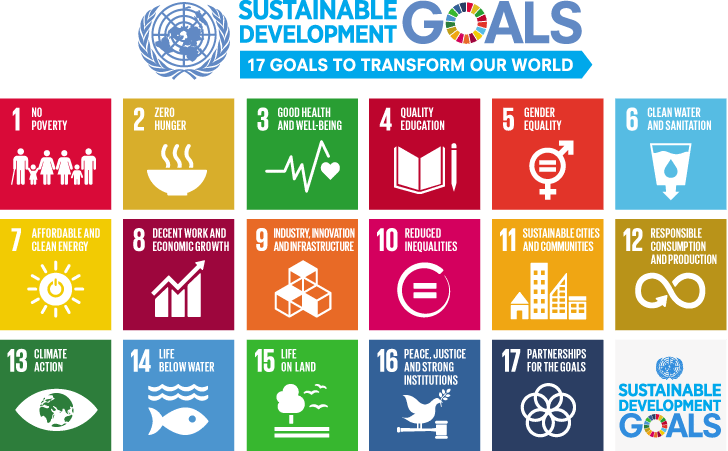
In response to the UN’s sustainable development agenda, Taiwan’s National Council for Sustainable Development announced the sustainable development goals for Taiwan in December 2018. This was a call to action for the government, educational institutions, and private sectors to join the cause and raise awareness from within. The SDGs are a global and national objective. Moreover, they are indicators for businesses to assess their corporate sustainability.
How Can the Food Industry Achieve the SDGs?
The growing awareness of sustainability has prompted the public and private sectors to take actions. Governments and businesses around the world have started to promote sustainable development and implement relevant policies. For example, the European Union has introduced regulations requiring the management of supply chains for imported goods. As for Taiwan, TWSE, the stock exchange in Taiwan, has mandated that listed companies must have sustainability reports prepared as per regulations. Many businesses now prefer suppliers who have taken actions to achieve sustainability. This shows that all sectors are moving toward sustainability, and every industry has to find the right niche in this area. The food industry is no exception. To better equip the industry, the 2023 Kaohsiung Food Show has listed several goals on which the food sector should focus. Referring to international standards in sustainable development and examining the sustainability reports of different food businesses, the exhibition has narrowed down the SDGs to 8 goals on which companies can take actions.
- Goal 2 - Zero Hunger:
The goal is to end all forms of malnutrition to achieve food security. Possible actions include adopting sustainable agricultural practice, developing future foods, and ensuring a sustainable food production system for better productivity. - Goal 3 - Good Health and Well-Being:
The food industry plays a pivotal role in food safety and people’s well-being. It is therefore responsible for improving the quality of food products for the betterment of people’s health. The industry can achieve this by acquiring certifications such as Healthy Food certification (commonly known as the “little green man” in Taiwan), TQF certification, or the ISO 22000 certification. - Goal 6 - Clean Water and Sanitation:
The industry can minimize the environmental impact and improve environmental management by increasing the efficiency of water use and reducing water waste in the food production line. Possible actions include optimizing water conservation, water quality, wastewater treatment, water recycling, local community engagement, and water sanitation management. - Goal 8 - Decent Work and Economic Growth:
The food sector should strive to protect employees’ rights, create a safe work environment, provide equal pay, and ensure full employment in the process of achieving productive activities, decent job creation, business management, creativity and innovation, and marketing activities. In this way, the food industry can contribute to creating decent work and promoting economic growth. - Goal 12 - Responsible Consumption and Production:
Raising the awareness of responsible consumption among consumers can help ensure a sustainable supply chain in the food industry, and so is promoting responsible production and sales from the business end. The industry can take actions such as reducing food waste from production and supply chains, implementing eco-friendly management of chemicals and waste, reducing waste, and protecting the rights of local producers. - Goal 13 - Climate Action:
Developing products and optimizing the production process can mitigate the climate impact brought by the food industry. Actions that can be taken to achieve this include obtaining Carbon Footprint Label and Carbon Footprint Verification, formulating countermeasures in response to climate change, and minimizing the environmental impact caused by the food sector through the use of innovative technology. - Goal 14 - Life Below Water:
To protect life below water, the industry should reduce the negative impact while increasing the positive effects of seafood products on the marine environment. This can be achieved by acquiring Ocean Heart Ecolabel, HEART or the MSC-CoC certification to make sure that there is no excessive or illegal fishing through effective monitoring, which thereby ensures the conservation and sustainable use of the marine resources for sustainable development. - Goal 15 - Life on Land:
To protect life on land, the industry should reduce the negative impact while increasing the positive effects of animal husbandry products on terrestrial ecosystems. Possible actions include acquiring certifications such as CAS certificate and EAST Certified Animal Welfare Certification, passing meat inspection, or being verified by Cage Free Alliance. All these actions help promote the sustainable use of terrestrial ecosystems.
Thank you for your contribution to sustainable development.